Alcohol Recovery Programs in West Palm Beach: Options and Access

Alcohol recovery programs in West Palm Beach can include detox, residential care, outpatient treatment, therapy, and aftercare support. The right option depends on withdrawal risk, treatment history, and how much structure is needed right now.
- 1Alcohol recovery is not one program type, and different people need different starting points.
- 2Medical withdrawal risk is one of the first things to assess when someone has been drinking heavily.
- 3Detox, outpatient care, and continuing support all play different roles in long-term recovery.
- 4Local access matters because treatment works better when follow-up care is practical.
- 5Insurance verification can make it easier to move from planning into admission.
When someone starts looking for alcohol recovery help, the search can get overwhelming fast. There are program names, insurance questions, safety concerns, family pressure, and usually a lot of uncertainty about what needs to happen first.
The better starting point is simple: what does the person need today to be safe, steady, and able to stay engaged in care? The answer may be detox. It may be outpatient treatment. It may be a longer plan that includes several steps.
Start With Withdrawal Risk
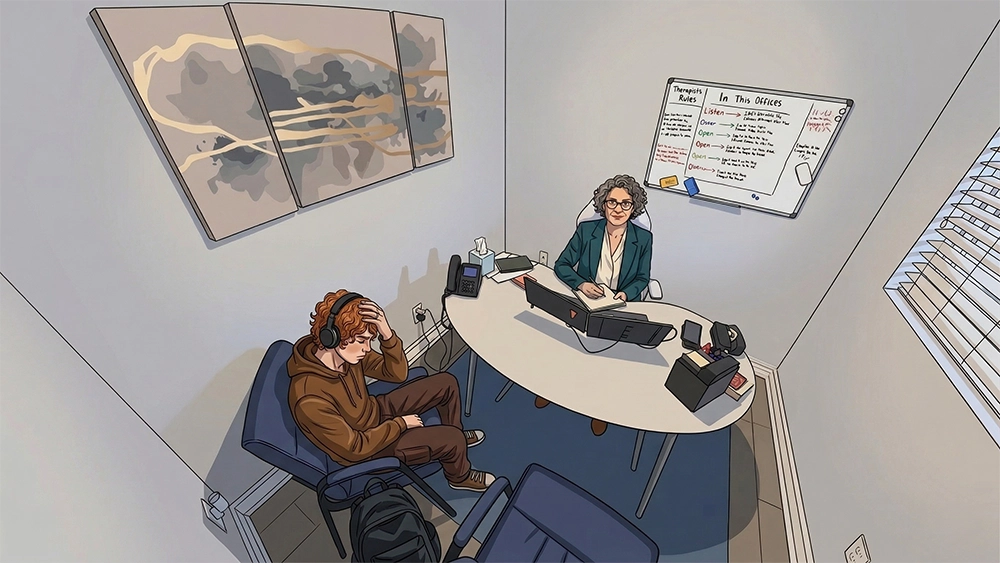
Alcohol withdrawal can be serious. If a person has been drinking heavily, drinking daily, waking up shaky, or has a history of seizures, confusion, severe anxiety, or past withdrawal complications, that needs to be addressed before anyone argues about which program sounds best.
Detox services are not the whole recovery plan. They are the safety step that helps someone get medically stable enough to participate in the next part of care.
That is why an honest intake conversation matters. How much is the person drinking? How long has this been going on? What happens when they try to stop? Are there other substances involved? Those details change the recommendation.
Match The Program To The Situation
Alcohol recovery is not one single track. Some people need medical stabilization first. Some need a structured treatment setting. Others are stable enough for therapy, relapse-prevention work, and outpatient support.
A useful plan may include:
- Detox when withdrawal could be unsafe
- Alcohol addiction treatment focused on behavior, triggers, and recovery planning
- Individual and group therapy
- Medication support when it fits the clinical picture
- Family support and clearer boundaries
- Aftercare planning before the person leaves structured care
The right fit depends on the person, not the brochure. Someone with steady housing, early motivation, and lower withdrawal risk may need a different plan than someone who has relapsed several times or is surrounded by alcohol at home.
Convenience matters, but it cannot be the only factor. A plan only works if it has enough structure for the person’s actual risk level.
Build A Plan For After The First Step
Stopping alcohol use is one part of recovery. Staying connected to support after the first crisis passes is another.
That is where a lot of families get caught off guard. The person may complete detox or start therapy, but the home routine, stress, sleep problems, relationship conflict, and old drinking patterns are still waiting for them.
A stronger plan names those risks directly. It should answer questions like:
- What tends to trigger drinking?
- Who should the person call before things spiral?
- What level of care is available if outpatient support is not enough?
- How will family members support recovery without trying to control every moment?
- What happens if cravings or withdrawal symptoms return?
Those answers do not need to be perfect on day one. They do need to be discussed before the person is sent back into the same stress with no structure.
Make The Practical Questions Less Heavy
Many families wait because they are not sure what care costs, whether insurance applies, or what information they need to provide. That delay is understandable, but it can keep everyone stuck.
Insurance verification can help clarify benefits before admission. It does not guarantee final costs, but it can make the next step feel less vague.
It also helps to gather a few basics before calling: drinking pattern, withdrawal history, current medications, other substances, mental health concerns, and whether the person has been in treatment before. That information helps the admissions team ask better questions.
Getting Help
If alcohol has started to shape daily life, relationships, safety, or health, it is worth having a real conversation about treatment options. The next step may be detox, outpatient care, or another level of support, but it should be based on what is actually happening.
If you are comparing alcohol recovery options, call Amity Behavioral Health at (888) 833-3228. The team can help you think through withdrawal risk, treatment pathways, and the next practical step toward care.
Related care paths
Frequently Asked Questions
What kinds of alcohol recovery programs are available?
Programs may include detox, residential treatment, outpatient therapy, group support, relapse prevention planning, and ongoing recovery services after primary treatment ends.
How do I know where to start?
The first question is usually whether alcohol withdrawal may require medical support. After that, the right starting point depends on symptom severity, relapse history, and how stable the home environment is.
Can outpatient care work for alcohol recovery?
Yes, if the person is medically stable and has enough support. Others may need detox or a more structured level of care first before stepping down.
Why is local treatment helpful?
Local treatment can make family involvement, therapy attendance, and long-term aftercare more realistic, which matters for sustained recovery.
How can I get help in West Palm Beach?
Call Amity Behavioral Health at (888) 833-3228 to ask about [alcohol addiction treatment](/programs/alcohol-addiction-treatment), [detox services](/programs/detox-services), and [insurance verification](/admissions/verify-insurance).
Sources & References
Read the sources referenced in this article.
- Treatment for Alcohol Problems: Finding and Getting Help — NIAAA (2024)
- Treatment for Substance Use Disorders — SAMHSA (2025)
- Continuing Care and Recovery Support for Substance Use Disorders — NCBI Bookshelf (2024)
Amity BH Clinical Team
Published by Amity Behavioral Health. This article provides general information and is not a substitute for individual professional advice.
Related Programs & Resources
Learn more about our treatment programs and how we can help you recover.
Related Articles
 Alcohol Treatment
How Outpatient Care Can Support Recovery After a DUI in West Palm Beach
A practical West Palm Beach guide to outpatient addiction treatment questions after a DUI, including alcohol use patterns, mental health, family support, insurance, and care level fit.
 Recovery Skills
Planning Alcohol-Free Social Time in West Palm Beach: A Practical Guide
A practical West Palm Beach guide to choosing alcohol-free activities, inviting supportive company, planning transportation, setting boundaries, and reviewing what worked.
 Alcohol Treatment
Short-Term vs Long-Term Alcohol Rehab: Which Is Better?
Compare short-term vs long-term alcohol rehab, including 30-day and 90-day treatment options, so families in West Palm Beach can choose the right level of care.
Discuss Your Treatment Options
Contact Amity to ask about assessment, program fit, and services at the location you are considering. Confirm current availability before making plans.
Ask about care options, program fit, and next steps.