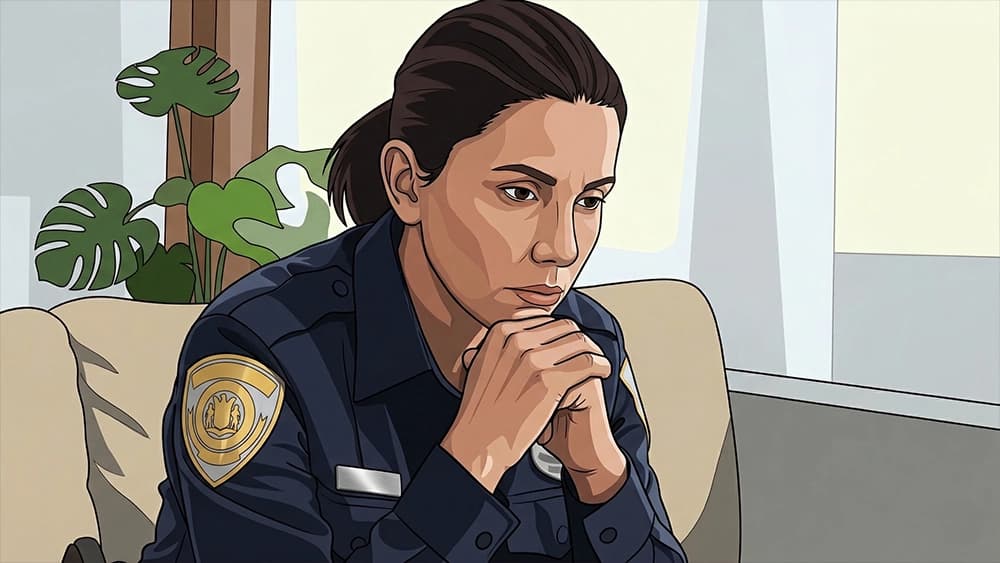
How PTSD and Addiction Reinforce Each Other is about PTSD and addiction and how it affects treatment planning, safety, and the next step into care.
- 1PTSD and substance use often reinforce one another, which is why the two problems are usually addressed together.
- 2A person can look “fine” on the outside and still be stuck in a loop of symptoms, self-medication, and relapse pressure.
- 3Integrated treatment can combine therapy, medical review, medication support, and a step-down plan.
- 4Local care in West Palm Beach should account for both symptoms and the practical reality of daily life.
- 5A quick clinical assessment is often the fastest way to clarify the next step.
For many people in West Palm Beach and the surrounding South Florida area, how ptsd and addiction reinforce each other is not an abstract topic. It is part of a real decision about safety, stability, and what kind of care will actually help.
When the issue involves PTSD, the details matter. The difference between short-term relief and a plan that supports lasting recovery often comes down to timing, monitoring, and having the right level of support in place.
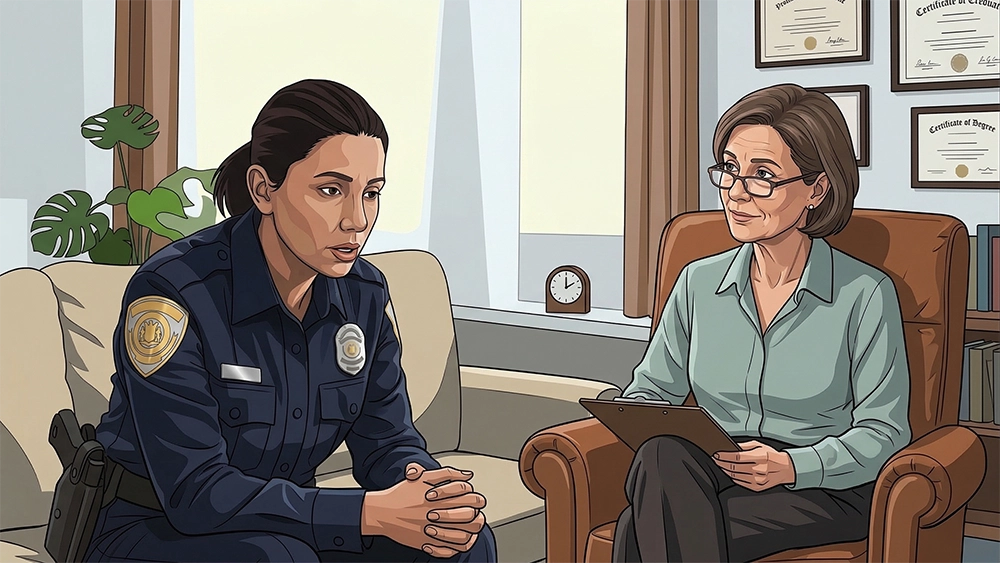
How the cycle develops
People often try to manage PTSD symptoms by using alcohol or drugs to get short-lived relief. That can temporarily quiet the distress, but it also trains the brain and body to rely on the substance rather than on healthier coping skills.
Over time, the pattern usually becomes circular: symptoms drive use, use intensifies the underlying problem, and recovery gets harder to sustain unless both conditions are addressed together.
PTSD can affect the body as much as the mind. Hypervigilance, nightmares, panic, irritability, and sleep disruption often leave people feeling exhausted and on edge. When alcohol or drugs seem to create a few hours of relief, the brain starts to connect substance use with emotional survival. That link can get stronger even when the person knows the pattern is harmful.
The problem is that substances usually make trauma symptoms harder to treat over time. Sleep gets less stable, emotional reactivity gets more intense, and therapy can become more difficult when a person is cycling between intoxication, withdrawal, and distress. What began as self-protection slowly becomes part of the condition that keeps the person stuck.
Why PTSD changes addiction risk
Trauma does not affect everyone the same way. Some people experience intrusive memories and flashbacks. Others feel chronically numb, detached, or unable to relax. Still others feel an ongoing sense of danger even when they are objectively safe. Any of those patterns can increase the urge to self-medicate.
PTSD also changes how stress is processed. A person may react to ordinary conflict, loud environments, relationship triggers, or sleep deprivation as though they are back in a crisis state. When that happens often enough, substance use can begin to look like the fastest way to shut the system down, which is why trauma-informed care can matter in addiction treatment.
This is one reason dual diagnosis care matters so much. If the treatment plan focuses only on sobriety but ignores the trauma response that keeps pushing the person toward use, relapse risk usually stays high.
Signs the overlap may be active
The most useful clues are usually behavioral and practical rather than dramatic. Look for patterns that keep repeating even when someone genuinely wants to change.
- Trouble sleeping, nightmares, or feeling on edge most of the time
- Using alcohol or drugs to blunt flashbacks or intrusive memories
- Avoiding reminders of trauma but feeling worse when substance use slows down
- Sudden mood shifts, hypervigilance, or irritability that keep cycling
- A sense that substances are the only thing keeping distress manageable
Families may also notice that the person becomes more withdrawn, less emotionally available, or more reactive after reminders of the trauma. Some people become highly avoidant and try to stay busy, isolated, or intoxicated so they do not have to feel the memories directly. Others experience shame about both the trauma and the substance use, which can make it even harder to ask for help.
Another common sign is inconsistent progress. A person may stop using for a short time, feel trauma symptoms rush back, and return to alcohol or drugs quickly. That does not mean treatment is hopeless. It usually means the plan needs to address trauma and substance use together instead of treating relapse as a failure of motivation.
What integrated treatment can include
At Amity Behavioral Health, integrated care can combine therapy, medical evaluation, and a plan that fits the current level of stability. That may include individual counseling, group work, psychiatric support, medication management when appropriate, and step-down planning into dual diagnosis treatment.
The key is that treatment does not ask a person to “finish” one problem before starting the other. When PTSD and addiction reinforce each other, the plan needs to break the loop from both sides at once.
For some people, treatment begins with stabilizing sleep, physical safety, and withdrawal symptoms first. For others, the immediate need is building enough support that trauma-focused therapy can happen without overwhelming the person. That may involve structured routines, coping-skills work, careful pacing, and ongoing medication review if anxiety, depression, or sleep issues are part of the picture.
Integrated treatment also helps people understand the function substance use has been serving. Instead of asking only “How do we stop the drinking or drug use?” the plan asks “What is the person trying to survive, avoid, or regulate?” That question often leads to a more durable treatment strategy.
How local care can help in West Palm Beach
Local treatment matters because PTSD and addiction affect daily life outside the therapy office. Work stress, transportation, family dynamics, and living situations all influence whether someone can stay engaged in care. A program near West Palm Beach that understands those real-life pressures can build a more workable plan.
That can include step-down options, local therapy follow-up, family involvement, and practical admissions support. It also helps when the person knows where to turn if symptoms suddenly worsen or relapse pressure starts to build again. Staying connected to drug addiction treatment and verify insurance resources can make it easier to seek help before the situation escalates.
What recovery can look like
Recovery from PTSD and addiction usually is not about becoming symptom-free overnight. It is about reducing the need to use substances in order to cope, building safer responses to trauma triggers, and improving stability over time. People often begin to notice better sleep, more emotional clarity, stronger boundaries, and less chaos in daily decisions.
That kind of progress becomes more likely when both conditions are taken seriously from the start. PTSD does not have to keep driving addiction, and addiction does not have to block trauma recovery forever. The two conditions can be treated together with a plan that is structured enough to be safe and flexible enough to fit the person’s actual life.
Why the next step matters
If the pattern is interfering with sleep, work, relationships, or physical safety, the next step is not to wait for it to improve on its own. A brief clinical assessment can clarify whether detox, residential treatment, PHP, IOP, or outpatient support is the best starting point.
If you want to talk through the situation with a clinician, call Amity Behavioral Health at (888) 833-3228. The team can explain the relevant level of care, talk through what to expect during admissions, and help you understand how insurance fits into the plan.
Related care paths
If you are comparing options or planning the next step, these pages can help you orient the bigger picture.
- dual diagnosis treatment
- drug addiction treatment
- verify insurance
Frequently Asked Questions
What does it mean when PTSD and addiction happen together?
It means the two conditions are feeding each other. A person may use alcohol or drugs to get temporary relief from PTSD, but that relief usually fades and the underlying symptoms often come back stronger. Integrated treatment is designed to address both conditions at the same time.
Why is it important to treat both problems together?
Treating only one side of the picture usually leaves a major trigger untouched. When the substance use is addressed but the mental health symptoms continue, relapse pressure stays high. When the mental health condition is ignored, the person may keep using in order to cope. Coordinated care is usually more durable.
What might treatment include?
Treatment often includes a clinical assessment, individual therapy, group support, medication review, relapse prevention planning, and a step-down schedule that matches the person’s current needs. The exact mix depends on severity, safety, and how much structure is needed.
Where can I start if I think this is happening in West Palm Beach?
Call Amity Behavioral Health at (888) 833-3228 to talk through symptoms, substance use, and the right level of care. The team can help you understand whether [dual diagnosis treatment](/programs/dual-diagnosis-treatment), [detox](/programs/detox/), [PHP](/programs/php/), or [IOP](/programs/iop/) is the right starting point.
Does integrated treatment replace medication or therapy?
No. Integrated treatment usually uses both when they are clinically appropriate. Some people need medication support, some need a strong therapy schedule, and many need a combination of both. The treatment plan is individualized rather than one-size-fits-all.
Sources & References
Read the sources referenced in this article.
- Substance Use and Co-Occurring Mental Disorders — NIMH (2024)
- Co-Occurring Disorders — SAMHSA (2025)
- Principles of Drug Addiction Treatment: A Research-Based Guide — NIDA (2018)
Amity BH Clinical Team
Published by Amity Behavioral Health. This article provides general information and is not a substitute for individual professional advice.
Related Programs & Resources
Learn more about our treatment programs and how we can help you recover.
Related Articles
How to Find Alcohol Addiction Treatment for Women
Women face unique challenges in alcohol addiction treatment due to biological differences, higher trauma rates, and co-occurring mental health conditions. Gender-specific programs produce better outcomes.
 Dual Diagnosis Deep Dives
Anxiety and Substance Use Disorder Treatment
Learn how anxiety and substance use disorder treatment addresses both conditions together in West Palm Beach. Call Amity BH today.
 Dual Diagnosis
Can Substance Abuse Trigger Bipolar Disorder?
Up to 60% of people with bipolar disorder struggle with substance abuse. Understanding whether substances trigger bipolar symptoms or reveal underlying conditions is crucial for effective treatment.
Discuss Your Treatment Options
Contact Amity to ask about assessment, program fit, and services at the location you are considering. Confirm current availability before making plans.
Ask about care options, program fit, and next steps.