Can Anxiety Medication Be Used During Addiction Treatment?
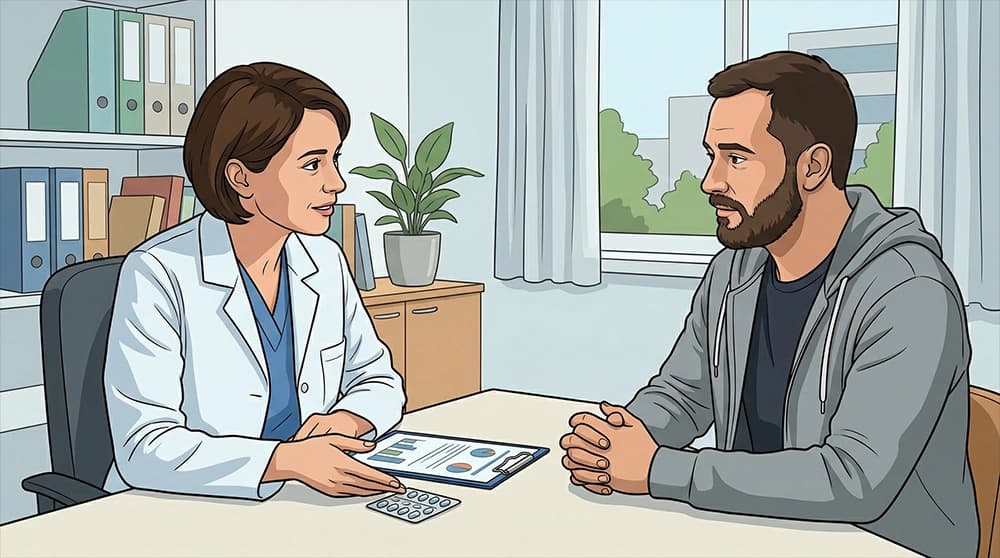
Anxiety medication can sometimes be part of addiction treatment, but the right choice depends on diagnosis, misuse risk, withdrawal history, and whether non-addictive options or therapy may better support recovery. Integrated dual diagnosis care helps treatment teams balance symptom relief with long-term recovery goals.
- 1Anxiety medication may be appropriate during addiction treatment when anxiety symptoms are clinically significant and carefully evaluated.
- 2Not every anxiety medication carries the same misuse risk, so treatment teams often weigh non-addictive options first.
- 3Medication decisions should consider co-occurring mental health needs, current substance use, and the possibility of withdrawal or drug interactions.
- 4Dual diagnosis treatment can combine therapy, medication management, and recovery planning rather than treating anxiety and substance use separately.
- 5A professional assessment can help determine whether anxiety medication, therapy, or a broader treatment plan is the safest next step.
In West Palm Beach and across South Florida, people entering treatment often ask whether anxiety medication and addiction treatment can happen at the same time. It is a reasonable question. Many people arrive with panic, constant worry, poor sleep, racing thoughts, or a history of being prescribed medication before substance use became more serious. Others are unsure whether what feels like anxiety is actually part of withdrawal, trauma, or the stress of early recovery.
The answer is not a simple yes or no. Anxiety medication can sometimes play a useful role in treatment, but only when it fits the person's clinical picture and recovery goals. At Amity Behavioral Health, the first step is usually understanding what is driving the symptoms and whether support through dual diagnosis treatment or drug addiction treatment should include medication, therapy, or both.

Why does anxiety show up so often during recovery?
Anxiety symptoms are common in addiction treatment for several reasons. Some people already live with an anxiety disorder before substance use begins. Others use alcohol or drugs to try to manage fear, tension, panic, or social discomfort, only to find that the pattern becomes harder to control over time.
Anxiety can also appear or intensify during treatment because:
- Withdrawal can temporarily increase nervous system activation
- Sleep disruption can make worry and irritability feel stronger
- Trauma symptoms may become more noticeable without substances
- Early recovery often brings uncertainty about work, family, and health
- Shame or fear about the future can surface once the crisis slows down
That is why clinicians usually avoid assuming that every anxious feeling needs the same response. The goal is to understand whether the symptom pattern points to a primary anxiety disorder, a temporary adjustment phase, or a more complex co-occurring picture.
Can medication help, or does it create a new risk?
Medication can help in some cases, but the potential benefits have to be weighed against the person's substance use history and current level of stability. Some anti-anxiety medications have a higher risk of misuse, sedation, or dependence. Others are used specifically because they may support anxiety symptoms without carrying the same reinforcing effects.
When clinicians think through medication options, they often ask:
- What substances has the person been using, and how recently?
- Is the person currently in withdrawal or medically unstable?
- Has the person misused prescribed medication before?
- Are there co-occurring conditions such as depression or trauma?
- Would therapy, sleep stabilization, or time in treatment explain the symptoms better first?
This is one reason medication decisions in recovery should be individualized rather than copied from someone else's experience. A medication that is reasonable for one person may be a poor fit for another depending on history, risk, and the level of monitoring available.
Which concerns matter most when a treatment team evaluates anxiety medication?
Safety matters more than speed. People sometimes hope medication will immediately remove distress, but treatment teams are usually looking for a plan that lowers risk over time instead of creating a new cycle of dependence or symptom confusion.
Key concerns may include:
- Misuse potential and whether the medication can be habit-forming
- Interaction with other substances or withdrawal protocols
- Sedation that could interfere with functioning or therapy participation
- Whether the anxiety is persistent or likely to improve as detox and sleep normalize
- The need for psychiatric follow-up as symptoms change
In South Florida, this careful approach can feel slower than people want, especially when symptoms are uncomfortable. But a rushed prescription strategy can blur the difference between relief and risk. A more measured evaluation helps the team match treatment to the actual problem.
What role does therapy play if medication is considered?
Medication alone rarely addresses the full reason anxiety and addiction overlap. For many people, anxiety is tied to trauma, avoidance, perfectionism, social stress, grief, or habits of using substances to escape discomfort. Therapy helps build skills that medication cannot provide by itself.
Treatment may focus on:
- Identifying triggers that raise both anxiety and substance cravings
- Building coping skills for panic, rumination, and stress
- Improving sleep routines and daily structure
- Treating trauma or depressive symptoms when present
- Practicing relapse prevention during emotionally difficult moments
This integrated approach is why dual diagnosis treatment is often recommended when anxiety symptoms and substance use are happening together. It gives the person more than symptom suppression. It gives them a plan for functioning in recovery.
When might a provider be more cautious about anti-anxiety medication in rehab?
Treatment teams may be more cautious when someone has a history of misusing sedating medications, mixing multiple substances, or cycling quickly between intoxication and withdrawal. The concern is not that anxiety is unimportant. The concern is that certain medications may complicate stabilization if the diagnosis is still unclear or the misuse risk is high.
More caution may be needed when:
- There is recent benzodiazepine or polysubstance use
- Withdrawal symptoms could mimic anxiety
- The person has overdosed or mixed substances in the past
- Medication seeking has been part of the substance use pattern
- A safer non-addictive option or therapy-first approach may work
That caution is part of good clinical care, not a sign that symptoms are being dismissed. In West Palm Beach, people often do best when they understand that "not right now" can still be part of a broader treatment plan rather than a rejection of help.
How do people know whether they need medication, therapy, or both?
The best answer comes from a full assessment. Anxiety can look similar across different causes, but treatment choices change depending on whether symptoms are driven by panic disorder, trauma, stimulant use, withdrawal, chronic stress, or sleep deprivation. A proper evaluation looks at timing, severity, history, and function.
An assessment may help clarify:
- Whether anxiety existed before substance use escalated
- Whether symptoms are improving or worsening with abstinence
- Which level of care best supports stabilization
- Whether medication should be started, adjusted, avoided, or monitored
- What continuing care is needed after the initial treatment phase
For people in South Florida, that kind of clarity can reduce fear and guesswork. It also makes it easier to choose a treatment path that supports both mental health and recovery without overpromising a quick fix.
If you are wondering whether anxiety medication can be used safely during treatment, Amity Behavioral Health can help you sort through the options. Our team works with people in West Palm Beach and across South Florida who need thoughtful support for co-occurring substance use and mental health concerns. Call Amity Behavioral Health at (888) 833-3228 or verify your insurance to take the next step.
This content is for informational purposes only and does not constitute medical advice. Please consult a qualified healthcare professional for personalized guidance.
Frequently Asked Questions
Can anxiety medication be used during addiction treatment?
Yes, anxiety medication can be used during addiction treatment when a clinician determines that the symptoms, diagnosis, and safety profile support it. The decision usually depends on substance use history, current withdrawal risk, co-occurring mental health needs, and whether non-addictive medication or therapy may work well.
Are all anti-anxiety medications risky in rehab?
No. Some medications have more misuse potential than others. Clinicians often distinguish between short-acting sedatives, which may require greater caution, and non-addictive options that can support anxiety management without creating the same level of reinforcement or dependence concern.
Why does dual diagnosis treatment matter when anxiety is involved?
Dual diagnosis treatment matters because anxiety and substance use can reinforce each other. Treating only one side may leave the other untreated, which can raise the chance of relapse, symptom worsening, or repeated treatment starts and stops.
Where can I find help for anxiety medication and addiction treatment in West Palm Beach?
In West Palm Beach and throughout South Florida, a dual diagnosis assessment can clarify whether anxiety symptoms reflect a separate disorder, withdrawal, trauma, or stress related to substance use. That evaluation helps determine whether medication, therapy, or a combined treatment approach fits best.
How do I get started at Amity Behavioral Health?
Call Amity Behavioral Health at (888) 833-3228 to discuss anxiety symptoms, substance use history, and treatment goals. The team can help you explore /programs/dual-diagnosis-treatment, /programs/drug-addiction-treatment, and /admissions/verify-insurance to find the right next step.
Sources & References
Read the sources referenced in this article.
- Common Comorbidities with Substance Use Disorders Research Report — National Institute on Drug Abuse (2025)
- Generalized Anxiety Disorder — National Institute of Mental Health (2025)
- TIP 42: Substance Use Disorder Treatment for People With Co-Occurring Disorders — SAMHSA (2020)
Amity BH Clinical Team
Published by Amity Behavioral Health. This article provides general information and is not a substitute for individual professional advice.
Related Programs & Resources
Learn more about our treatment programs and how we can help you recover.
Related Articles
 Alcohol Recovery Planning
Alcohol Rehab Near West Palm Beach: Questions to Ask
Alcohol Rehab Near West Palm Beach: Questions to Ask explained with practical treatment questions, local context, and next steps for West Palm Beach families comparing care options.
 Dual Diagnosis Deep Dives
Anxiety and Substance Use Disorder Treatment
Learn how anxiety and substance use disorder treatment addresses both conditions together in West Palm Beach. Call Amity BH today.
 Admissions
How to Choose Addiction Treatment in West Palm Beach
A practical guide to how to choose rehab West Palm Beach for readers near West Palm Beach, with questions that help match symptoms, timing, support, and an admissions path.
Discuss Your Treatment Options
Contact Amity to ask about assessment, program fit, and services at the location you are considering. Confirm current availability before making plans.
Ask about care options, program fit, and next steps.